
Pinguecula Treatment in Kyle
Pinguecula is a common, benign growth on the conjunctiva that can cause discomfort, redness, and cosmetic concerns. At Spark Eye Care, we provide expert evaluation and personalized treatment to relieve symptoms and protect your eye health.
Understanding Pinguecula
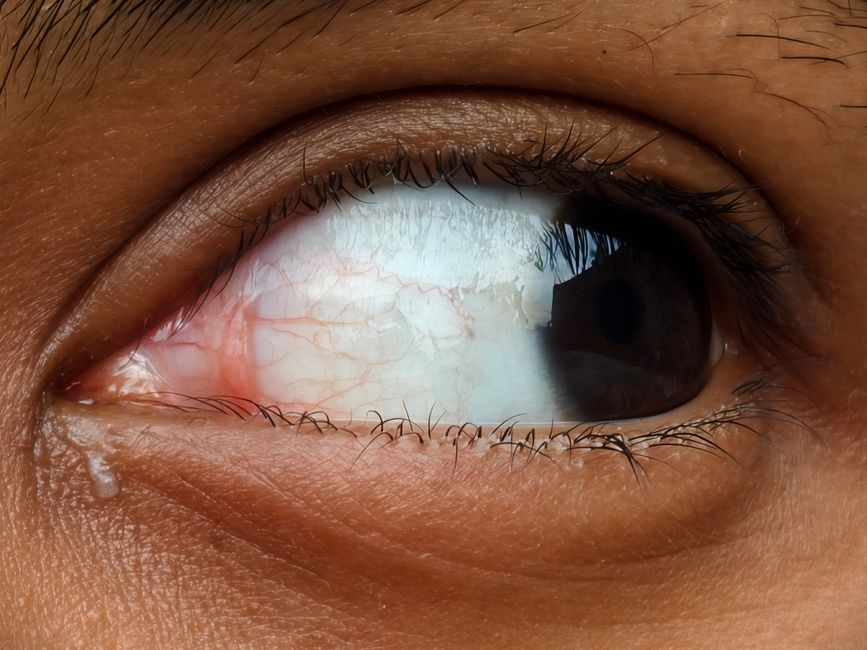
A pinguecula is a yellowish, raised bump that forms on the conjunctiva—the clear membrane covering the white part of your eye. This benign growth typically appears on the nasal side of the eye, near the cornea, though it can develop on either side. Pingueculae are extremely common, especially in adults who have spent significant time outdoors, and they are composed of protein, fat, and calcium deposits. While pingueculae are non-cancerous and generally harmless, they can become inflamed (a condition called pingueculitis), causing discomfort, irritation, and noticeable redness. For many patients in Kyle and surrounding areas, where outdoor activities are a way of life, understanding and managing pinguecula is essential for maintaining comfortable vision and eye health.
The primary causes of pinguecula development include chronic ultraviolet (UV) exposure from sunlight, environmental irritants such as wind, dust, and pollen, and chronic eye dryness. People who work outdoors, spend extensive time in bright sunlight without proper eye protection, or live in sunny climates like Central Texas face higher risk of developing this condition. Additional risk factors include advancing age, as pingueculae become more prevalent with time, and habitual squinting or eye strain. Welders, farmers, construction workers, and outdoor enthusiasts are particularly susceptible. The growth process is gradual, often taking years to develop, and while pingueculae do not grow onto the cornea (unlike pterygia), they can enlarge over time and become more symptomatic.
Professional evaluation and treatment are important for several reasons. First, while pingueculae themselves are benign, they can occasionally be confused with more serious conditions, making proper diagnosis essential. Second, when pingueculae become inflamed or irritated, they can significantly impact quality of life, causing persistent discomfort, foreign body sensation, and cosmetic concerns that affect self-confidence. Third, appropriate treatment can prevent progression and reduce the likelihood of developing related complications such as pterygium, a more serious growth that can affect vision. At Spark Eye Care, our experienced team provides comprehensive assessment, evidence-based treatment recommendations, and preventive strategies tailored to your lifestyle and specific needs. Whether your pinguecula is causing symptoms or you're concerned about its appearance, professional care ensures optimal outcomes and peace of mind.
Signs & Symptoms of Pinguecula
- Yellowish Bump on Eye White: A visible raised, yellowish or whitish growth on the conjunctiva, typically near the cornea on the nasal side of the eye.
- Eye Redness: Persistent or intermittent redness around the pinguecula, especially when inflamed or irritated by environmental factors.
- Cosmetic Concerns: Self-consciousness about the visible appearance of the growth, particularly in social or professional situations.
- Gradual Growth: Slow enlargement of the bump over months or years, sometimes becoming more noticeable with age or sun exposure.
- Visible Blood Vessels: Prominent or dilated blood vessels within or around the pinguecula, particularly when the area becomes inflamed.
- Blurred Vision (Rare): Occasional vision disturbances if the pinguecula becomes significantly elevated or affects tear film distribution across the cornea.
- Uneven Eye Appearance: Asymmetry between eyes if pinguecula develops more prominently on one side, causing noticeable differences in appearance.
- Foreign Body Sensation: Persistent feeling that something is in your eye, like a grain of sand or eyelash, especially when the pinguecula becomes inflamed.
- Eye Dryness and Irritation: Chronic dry, gritty feeling in the affected eye due to disrupted tear film distribution caused by the raised growth.
- Burning or Stinging: Uncomfortable burning sensation, particularly after sun exposure, wind exposure, or prolonged screen time.
- Increased Tearing: Excessive watering of the eye as your body attempts to compensate for irritation or dryness caused by the pinguecula.
- Itching Around the Eye: Mild to moderate itching near the growth site, often worsening in dry, dusty, or windy conditions.
- Swelling and Inflammation: Episodes of pingueculitis where the growth becomes red, swollen, and tender, requiring medical attention.
- Contact Lens Discomfort: Difficulty wearing contact lenses comfortably due to the raised growth interfering with lens positioning or causing irritation.
What to Expect
- Yellowish bump on the white of the eye with possible inflammation and redness
- Foreign body sensation, dryness, burning, or irritation of the affected eye
- Gradual growth over time with visible blood vessels and possible cosmetic concerns
- Expert diagnosis and comprehensive assessment using advanced diagnostic equipment
- Conservative management with lubricating drops and anti-inflammatory medications when needed
- Personalized treatment plans tailored to your symptoms, lifestyle, and individual needs
- Ongoing monitoring and follow-up care to prevent progression and maintain eye comfort
How We Treat Pinguecula
Comprehensive Assessment
Your journey begins with a thorough eye examination using advanced diagnostic equipment to evaluate the pinguecula's size, location, and level of inflammation. We assess your tear film quality, UV exposure history, and any contributing factors like chronic dryness or environmental irritants. Our team takes time to understand your symptoms, lifestyle, and concerns to develop a complete picture of your eye health and determine the most appropriate treatment approach.
Personalized Treatment Plan
Based on your assessment, we create a customized treatment strategy tailored to your specific needs. For mild cases, this may include lubricating eye drops, anti-inflammatory medications, and preventive measures. For symptomatic or cosmetically concerning pingueculae, we discuss all options including conservative management and surgical removal if appropriate. We educate you about UV protection, lifestyle modifications, and ongoing care strategies to prevent progression and optimize your eye health long-term.
Ongoing Care & Monitoring
Pinguecula management is an ongoing process requiring regular monitoring to ensure optimal results and prevent complications. We schedule follow-up appointments to assess treatment effectiveness, monitor for growth or inflammation, and adjust your care plan as needed. Our team provides continuous support, answering questions and addressing concerns as they arise. We also educate you about long-term prevention strategies, including proper UV protection and eye care habits, to maintain your eye health and comfort for years to come.
Benefits
Board-Certified Expertise
Our team includes board-certified eye care specialists with extensive training in diagnosing and treating conjunctival conditions including pinguecula and pterygium.
Personalized Approach
We understand that every patient's pinguecula is different. Our treatment plans are customized based on your symptoms, lifestyle, and individual goals for eye health and comfort.
Telehealth Available
For follow-up visits and consultation, we offer convenient telehealth appointments, making it easier to receive expert care without disrupting your busy schedule.
Experienced with This Condition
We have extensive experience treating pinguecula in the Kyle community, understanding the unique environmental factors that contribute to this condition in Central Texas.
Your Treatment Journey
First Evaluation (Week 1)
Your initial appointment includes a comprehensive eye examination with detailed assessment of your pinguecula using specialized imaging equipment. We'll discuss your symptoms, medical history, environmental exposures, and any concerns you have. You'll receive a clear diagnosis, education about the condition, and a detailed treatment plan. Most patients leave with prescriptions for lubricating drops or anti-inflammatory medications, along with specific recommendations for UV protection and lifestyle modifications. This visit typically takes 45-60 minutes and establishes the foundation for your ongoing care.
Treatment Begins (Weeks 2-4)
During this phase, you'll implement your treatment plan using prescribed medications and following recommended lifestyle changes. For most patients with uncomplicated pinguecula, conservative treatment with artificial tears and UV protection provides significant symptom relief within 2-4 weeks. If inflammation is present (pingueculitis), anti-inflammatory drops typically reduce redness and discomfort within 1-2 weeks. You may notice gradual improvement in foreign body sensation, dryness, and eye redness. We're available for questions or concerns during this period and may schedule a brief check-in call to assess your progress.
Progress Review (Months 2-3)
At your follow-up appointment, we reassess your pinguecula to evaluate treatment effectiveness and monitor for any changes in size or appearance. Most patients experience significant improvement in symptoms by this point, with reduced irritation and better eye comfort. We'll discuss your experience with treatment, address any ongoing concerns, and adjust your care plan if needed. For patients considering surgical removal due to cosmetic concerns or persistent symptoms despite conservative treatment, this is when we typically have detailed discussions about surgical options, benefits, risks, and recovery expectations. We'll also reinforce prevention strategies to protect your eyes long-term.
Long-term Management
Pinguecula is a chronic condition that requires ongoing attention to prevent progression and maintain comfort. We recommend annual eye examinations to monitor your pinguecula and overall eye health, with more frequent visits if you experience symptom flare-ups. Long-term management focuses on consistent use of lubricating drops as needed, diligent UV protection with quality sunglasses, management of underlying dry eye if present, and prompt treatment of inflammation when it occurs. Many patients maintain excellent eye comfort and prevent progression with these simple measures. Our team remains your partner in eye health, providing guidance, support, and expert care whenever you need it.
Common Questions About Pinguecula
How long does pinguecula treatment take?
The timeline for pinguecula treatment varies depending on the severity of symptoms and the treatment approach. For mild, asymptomatic pingueculae, no active treatment may be needed beyond preventive measures and monitoring. If you're experiencing inflammation (pingueculitis), anti-inflammatory treatment typically provides relief within 1-2 weeks, with complete resolution in 2-4 weeks. Conservative management with lubricating drops and UV protection is ongoing and provides symptom control for most patients indefinitely. If surgical removal is chosen, the procedure itself takes about 20-30 minutes, with recovery lasting 2-4 weeks and final cosmetic results visible after 2-3 months. Most patients find that conservative treatment provides adequate long-term symptom control without the need for surgery.
Is medication always required for pinguecula?
Not necessarily. Many people with pinguecula require no medication at all if the growth is small and causes no symptoms. In these cases, we focus on prevention strategies like UV protection and regular monitoring. If you experience dryness or mild irritation, over-the-counter preservative-free artificial tears are often sufficient to manage symptoms. Prescription anti-inflammatory eye drops are typically reserved for episodes of acute inflammation (pingueculitis) when the growth becomes red, swollen, and painful. These medications provide rapid relief during flare-ups but aren't needed continuously. For patients with underlying chronic dry eye contributing to symptoms, prescription medications like cyclosporine may be recommended for long-term management. Our approach is to use the least medication necessary to keep you comfortable while preventing progression.
Does insurance cover pinguecula treatment?
Most medical insurance plans cover evaluation and treatment of symptomatic pinguecula because it's a medical condition affecting eye health and comfort. Your comprehensive eye examination, diagnostic testing, and prescription medications for inflammation or dry eye are typically covered benefits subject to your copay, deductible, and coinsurance. Follow-up visits for monitoring and management are also usually covered. However, if you're seeking surgical removal purely for cosmetic reasons when the pinguecula is asymptomatic, insurance may not provide coverage, as this would be considered an elective cosmetic procedure. We recommend checking with your insurance provider about specific coverage details. Our staff is experienced in working with insurance companies and can help verify your benefits before treatment begins. We'll provide cost estimates and discuss payment options to ensure you can access the care you need.
Can pinguecula grow back after surgical removal?
Yes, pingueculae can recur after surgical excision, though recurrence rates vary depending on surgical technique and post-operative care. Studies show recurrence rates ranging from 5-15% when modern surgical techniques are used. Risk factors for recurrence include continued UV exposure without proper eye protection, chronic eye dryness, ongoing environmental irritation, and inadequate post-operative healing. To minimize recurrence risk, surgeons often use tissue grafting techniques and may apply mitomycin-C during surgery to prevent regrowth. After surgery, diligent UV protection with quality sunglasses, consistent use of lubricating eye drops, and follow-up care are essential. It's important to note that because the underlying risk factors (sun exposure, aging, environmental factors) remain present, new pingueculae can also develop in different locations on the eye. This is why we emphasize comprehensive prevention strategies regardless of whether you choose conservative management or surgical treatment.
Will pinguecula affect my vision permanently?
In the vast majority of cases, pinguecula does not affect vision permanently or significantly. Because pingueculae grow on the conjunctiva and do not extend onto the cornea (the clear front surface of your eye), they typically don't interfere with the optical pathway. Some patients may experience temporary blurred vision during episodes of inflammation due to excess tearing or changes in the tear film distribution across the cornea, but this resolves with treatment. Very rarely, if a pinguecula becomes extremely elevated, it may cause astigmatism by altering the tear film, but this is uncommon. The main concern is if a pinguecula transforms into or is accompanied by a pterygium—a related but more aggressive growth that does extend onto the cornea and can affect vision if it reaches the visual axis. This is why regular monitoring is important. With appropriate management and UV protection, your pinguecula is unlikely to cause any permanent vision problems.
Can I manage my pinguecula with telehealth appointments?
Telehealth can be an excellent option for certain aspects of pinguecula care, particularly for established patients. Your initial evaluation should be conducted in person so we can perform a comprehensive eye examination with specialized equipment to properly diagnose and assess your pinguecula. However, once we've established your diagnosis and treatment plan, telehealth visits can be very effective for follow-up consultations, discussing symptom changes, adjusting medications, reviewing treatment progress, and providing ongoing education and support. If you experience a flare-up of inflammation, we can often assess it via telehealth and prescribe appropriate treatment without requiring an office visit. Telehealth is especially convenient for busy patients in Kyle who may have difficulty scheduling in-person appointments. However, if your pinguecula shows significant changes, causes new symptoms, or requires detailed examination, we'll recommend an in-person visit. We're committed to providing flexible, convenient care that fits your lifestyle while ensuring you receive the thorough evaluation necessary for optimal eye health.
Related Conditions
Related
Pterygium
A growth of fleshy tissue on the conjunctiva that can extend onto the cornea, potentially affecting vision if left untreated.
Related
Dry Eye Syndrome
Chronic eye dryness and irritation that can worsen pinguecula symptoms and contribute to inflammation of the conjunctiva.
Related
Conjunctivitis
Inflammation of the conjunctiva that can mimic or coexist with pingueculitis, causing redness and discomfort requiring treatment.
Get Help for Pinguecula Today
You don't have to face pinguecula alone. Our team is ready to help.
Schedule Your Eye Exam